Ford Brake Inspection in Kansas City: How Often Is Needed for Kansas City Metro Drivers
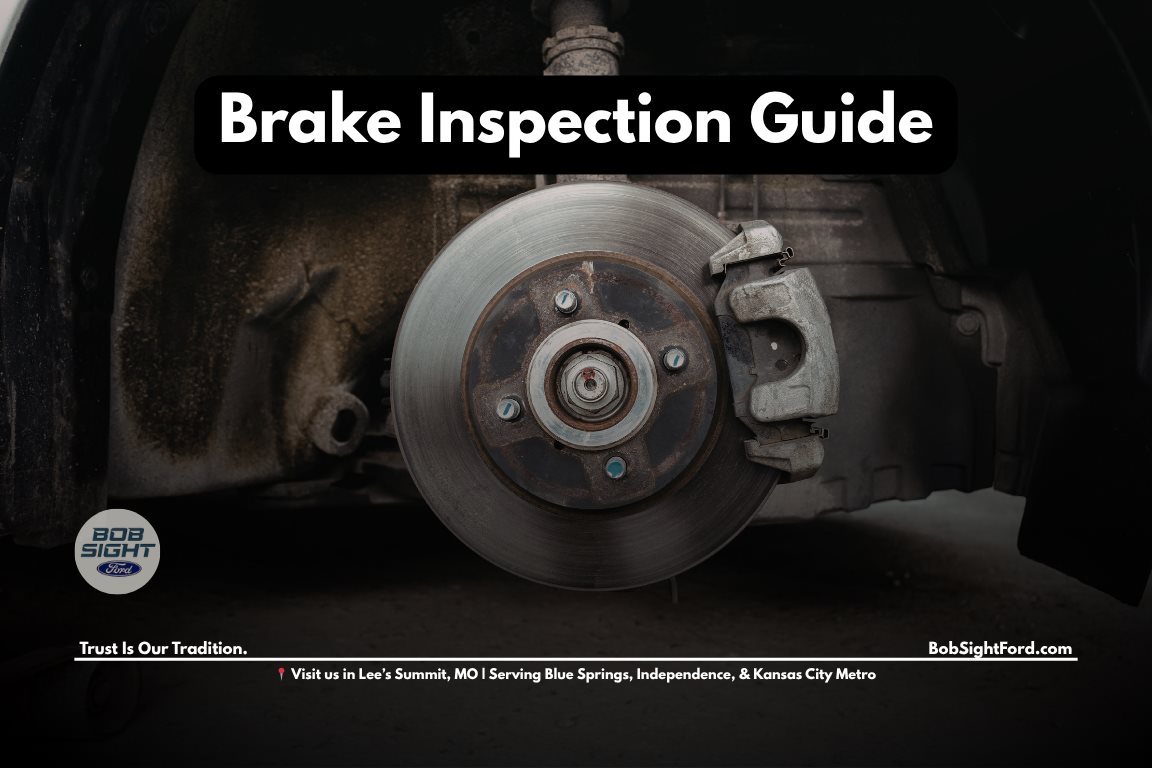
Ford drivers across Lee’s Summit, Kansas City, Blue Springs, Independence, and the surrounding Kansas City Metro rely on their brakes every single day, making regular brake inspections one of the most important parts of vehicle safety and maintenance. Whether you are navigating stop-and-go traffic near Independence Center, commuting along I-470, or driving through neighborhoods in Raytown and Grain Valley, your braking system plays a critical role in protecting you, your passengers, and everyone on the road. At Bob Sight Ford in Lee’s Summit, understanding how often a brake inspection is needed helps local drivers stay ahead of wear and avoid unexpected issues.
Schedule your Ford brake inspection at Bob Sight Ford in Lee’s Summit
In this guide you’ll learn:
- How often Ford brake inspections are needed in Kansas City driving conditions
- What factors affect brake wear across the Kansas City Metro
- How to recognize early warning signs of brake issues
- What happens during a professional brake inspection
- How to check your brakes at home between service visits
- Why local service matters for long-term brake performance
How often should you get a brake inspection in Kansas City driving conditions?
Most Ford drivers in the Kansas City Metro should schedule a brake inspection at least once every 6 months or every 6,000 to 10,000 miles, depending on driving habits and road conditions. This frequency ensures that brake pads, rotors, and fluid are checked before wear becomes a safety concern. While some vehicles may go longer between inspections, Missouri driving conditions often require more consistent monitoring.
In the Kansas City Metro, daily driving creates unique wear patterns. Commuters traveling from Lee’s Summit into downtown Kansas City deal with heavy traffic, frequent braking, and sudden stops. This type of driving accelerates brake wear faster than highway cruising alone. Drivers navigating busy intersections near US-50 or stop-and-go areas around retail centers will notice their brakes working harder over time.
Weather also plays a role. Missouri’s seasonal shifts impact braking performance. Wet roads during spring storms, icy conditions in winter, and high summer temperatures all affect how brakes respond. These changing conditions make consistent inspections even more important for local drivers who rely on their vehicle year-round.
Another factor is vehicle type. Larger vehicles like Ford F-150 trucks or Ford Explorer SUVs may experience different wear patterns compared to smaller models. Carrying passengers, cargo, or towing can increase stress on the braking system. This is why a standard schedule should always be adjusted based on how the vehicle is used across the Kansas City Metro.
What factors cause brakes to wear faster in the Kansas City Metro?
Brake wear in the Kansas City Metro is influenced by traffic patterns, road conditions, driving habits, weather changes, and vehicle weight. Understanding these factors helps drivers anticipate when service may be needed sooner than expected.
Traffic is one of the biggest contributors. Areas like Independence, Raytown, and central Kansas City often involve frequent stops, especially during rush hour. Each time you press the brake pedal, friction is created between the brake pads and rotors. Over time, this friction wears down components. Drivers who spend more time in city traffic typically require brake service sooner than those who drive mostly on open highways.
Road conditions also play a significant role. Construction zones, potholes, and uneven pavement are common throughout the Kansas City Metro. These conditions can cause drivers to brake more often or more aggressively, increasing wear. Driving near the I-435 loop or through growing areas of Lee’s Summit often involves changing traffic patterns that impact braking frequency.
Driving habits matter as well. Aggressive braking, following too closely, and frequent sudden stops can shorten brake life. In contrast, smoother driving habits help extend it. For example, a driver commuting daily from Blue Springs to downtown Kansas City may notice faster wear if traffic conditions force frequent hard braking.
Vehicle load is another factor. Carrying passengers, hauling equipment, or towing adds extra strain to the braking system. This is common for truck owners and families using larger SUVs across Jackson County. Heavier loads require more braking force, which increases wear over time.
What are the early warning signs your brakes need inspection?
Common warning signs that your brakes need inspection include squeaking sounds, grinding noise, vibration when braking, reduced stopping power, and dashboard alerts. Recognizing these signs early helps prevent more serious issues.
Squeaking or squealing is often the first indicator. This sound is typically caused by brake pad wear indicators, which are designed to alert drivers when pads are getting low. Drivers traveling through Lee’s Summit or Independence may notice this sound during low-speed stops in parking lots or traffic.
Grinding noise is a more serious sign. It may indicate that brake pads are completely worn down, causing metal-to-metal contact. This can damage rotors and increase repair needs. If you hear grinding while driving near areas like Summit Fair or along Highway 50, it is important to schedule service immediately.
Vibration when braking is another warning sign. This can indicate warped rotors, which affect braking smoothness. Drivers may feel this when slowing down from highway speeds on I-470 or I-70.
Reduced stopping power is one of the most critical signs. If your vehicle takes longer to stop or feels less responsive, it is essential to have your brakes inspected. This is particularly important in heavy traffic conditions common across the Kansas City Metro.
How can you check your brakes at home between inspections?
You can perform basic brake checks at home by listening for unusual sounds, observing braking performance, and visually inspecting components when possible. While this does not replace professional service, it helps identify potential issues early.
Start by paying attention while driving. Listen for squeaking or grinding sounds during normal braking. Notice whether your vehicle feels smooth or if there is vibration or pulling to one side. These driving cues provide valuable insight into brake condition.
Next, visually inspect your brake components if accessible. Look through the wheel spokes to check brake pad thickness. Thin pads may indicate the need for replacement. Drivers in areas like Raytown and Blue Springs who frequently drive in traffic should check more often.
- Listen for unusual sounds during braking
- Pay attention to stopping distance and responsiveness
- Check for vibration or pulling
- Visually inspect brake pad thickness when possible
- Monitor dashboard warning lights
If any concerns arise, scheduling a professional inspection at Bob Sight Ford ensures accurate diagnosis and safe driving conditions.
What happens during a professional Ford brake inspection?
A professional Ford brake inspection includes evaluating brake pads, rotors, calipers, brake fluid, and overall system performance to ensure safe operation. This comprehensive process helps identify both visible and hidden issues.
Technicians begin by inspecting brake pads for thickness and wear patterns. They check whether pads need replacement and look for uneven wear that may indicate alignment or caliper issues. This is especially important for drivers commuting across the Kansas City Metro.
Rotors are also examined for damage or warping. Smooth rotor surfaces are essential for consistent braking performance. Any irregularities can affect stopping power and cause vibration.
Brake fluid is another key component. Technicians check fluid levels and condition, ensuring proper hydraulic function. Contaminated or low fluid can reduce braking efficiency.
- Inspect brake pad thickness and wear
- Check rotors for damage or warping
- Evaluate calipers and system components
- Inspect brake fluid condition and levels
- Test overall braking performance
This process ensures your Ford is ready for daily driving across Lee’s Summit and the Kansas City Metro.
Quick Facts About Ford Brake Inspections in Kansas City
- Brake inspections are recommended every 6 months or 6,000 to 10,000 miles
- Stop-and-go traffic increases brake wear
- Weather conditions affect braking performance
- Squeaking sounds often indicate worn brake pads
- Regular inspections help prevent costly repairs
These quick facts highlight the importance of staying proactive with brake maintenance for Kansas City Metro drivers.
How should you plan for long-term brake maintenance?
Long-term brake maintenance involves regular inspections, consistent driving habits, and proactive service scheduling to ensure safety and reliability. Planning ahead helps avoid unexpected issues.
Scheduling inspections regularly is key. Drivers should follow recommended intervals and adjust based on driving conditions. This ensures consistent performance across Missouri roads.
Driving habits also play a role. Smooth braking and maintaining safe distances can extend brake life. Drivers navigating Kansas City traffic benefit from controlled braking techniques.
Working with a trusted dealership like Bob Sight Ford ensures professional care and accurate recommendations for long-term ownership.
Frequently Asked Questions About Ford Brake Inspections Near Me
How often should I get my brakes checked near Kansas City?
Brake inspections should typically be performed every 6 months or 6,000 to 10,000 miles. This ensures safe operation and early detection of wear.
Driving conditions such as traffic and weather can affect this timeline. Kansas City Metro drivers may need more frequent checks.
Scheduling regular inspections helps maintain consistent performance and safety.
What causes brakes to wear out quickly?
Frequent braking, heavy traffic, and aggressive driving habits contribute to faster wear. Road conditions also play a role.
Drivers commuting through busy areas like Independence or Raytown may experience increased wear.
Regular inspections help manage these factors effectively.
Can I drive with squeaking brakes?
Squeaking brakes often indicate worn pads and should be inspected soon. While not always urgent, it signals wear.
Ignoring the sound can lead to more serious issues over time.
Scheduling service ensures proper diagnosis and safety.
Do weather conditions affect braking performance?
Yes, weather conditions impact braking. Rain reduces traction, and cold temperatures affect performance.
Kansas City Metro drivers experience a range of conditions that influence brake wear.
Regular maintenance helps maintain performance year-round.
Why Local Ford Brake Service Matters in Lee’s Summit
Local Ford brake service ensures your vehicle is maintained by experts who understand Kansas City Metro driving conditions. This improves safety and reliability.
Bob Sight Ford provides experienced technicians and tailored service for local drivers. This ensures accurate inspections and effective maintenance.
Choosing a local dealership supports long-term vehicle performance and peace of mind.
Helpful Links
Proud to be part of the Bob Sight Auto Group
Bob Sight Ford proudly serves the Kansas City Metro as part of the Bob Sight Auto Group, delivering trusted automotive solutions across Missouri and Kansas.
Helpful Ford Shopping and Ownership Resources
Looking for trusted Ford research, truck comparisons, maintenance guides, and ownership resources in Lee’s Summit, Missouri? Bob Sight Ford provides helpful resources covering everything from Ford truck capability and commuter-friendly features to oil change maintenance, brake service, employee pricing, and long-term ownership tips. Whether you are shopping from Lee’s Summit, Blue Springs, Independence, Kansas City, or the surrounding Jackson County area, these Ford resources can help you make informed decisions about buying, servicing, and owning your next Ford vehicle.
- Ford Oil Change Frequency Guide for Kansas City Drivers
- Ford F-150 for Sale Near Kansas City, MO
- Ford Brake Service in Lee’s Summit, MO: What to Expect
- Used Ford Trucks Near Independence, MO Buying Guide
- Ford Dealership Near Kansas City: Which One Should You Choose?
- Ford Maverick for Sale Near Kansas City: Why It Is So Popular
- Ford Employee Pricing Near Kansas City